


More reach. More reservations. Zero double bookings.






How to Become an Airbnb Host
Last updated
June 22, 2026


Working as an Airbnb host is more than just a way to earn a little extra cash. It’s an opportunity to meet incredible people, showcase your local culture, and create memorable experiences for guests from all around the world. Whether you're a seasoned landlord or completely new to hosting, starting your Airbnb journey can feel exciting and even a bit overwhelming.
Luckily, we’re here to guide you every step of the way, making the process simple, fun, and totally achievable. In this chapter, we’ll go over the different hosting options available, Airbnb host requirements, and some tips to get you started.
Disclaimer: Lodgify is an Airbnb Preferred+ Software Partner. This guide, including any claims or statements within, is solely from Lodgify and is not endorsed by, directly affiliated with, authorized, or sponsored by Airbnb in any way.
Don't see the form to download our Airbnb rental agreement? Click here.
Different home types
Whether you have an entire property to offer, a private room within your full-time home, or even a shared space, there’s an option that fits your hosting style. Let's take a closer look at the options available and what they entail.
Entire place
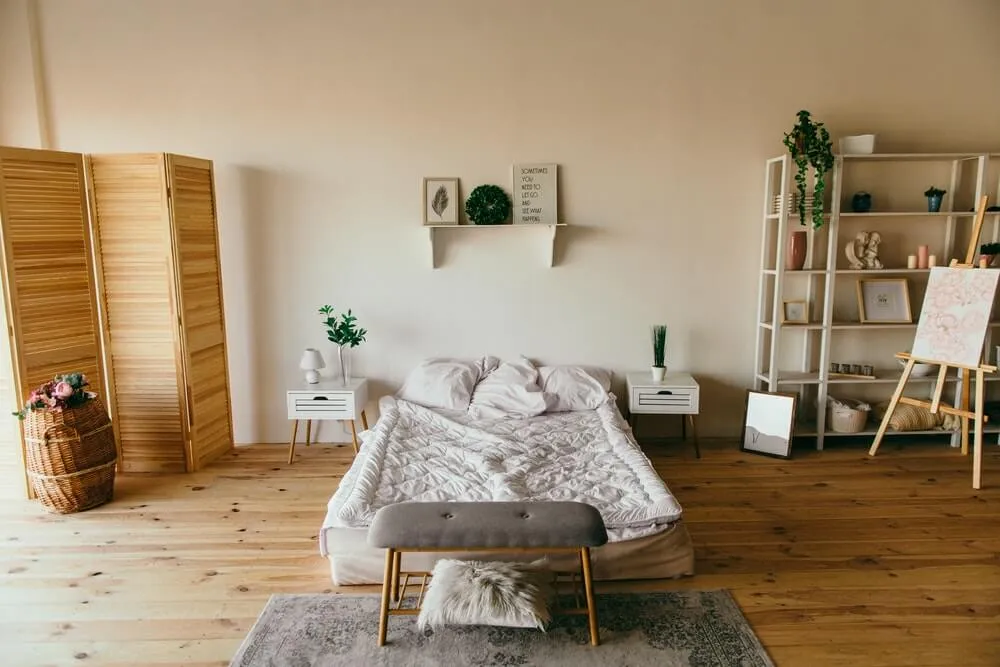
Renting an entire place means your guests will have the whole property to themselves. This could be a house, an apartment, or even a unique space, such as a cabin or a boat.
Guests won’t have to share spaces like kitchens, bathrooms, or living rooms with others, offering maximum privacy. Typically, hosts aren't present during the stay, but clear communication before and during the trip is essential to ensure a smooth experience.
Private room
A private room allows guests to have their own bedroom while sharing common areas, such as the kitchen or bathroom, with the host or other guests. Guests should be aware that the host or others may be present during their stay, so it's crucial to set expectations ahead of time.
Shared room
Shared rooms are great for travelers who don’t mind sharing sleeping spaces with others. Guests should understand that amenities and spaces, including sleeping areas, are shared, and planning for comfort and clear communication is essential.
Unique stays
Airbnb offers unusual and unique accommodations such as treehouses, yurts, castles, or even igloos. Highlighting the distinctive aspects of your property can attract adventurous travelers looking for something special.
Hotel rooms
These rooms can be found in boutique hotels, typical hotels, hostels, and bed and breakfasts.
Renting your space on Airbnb
If you're ready to list your rental property on Airbnb, follow these steps to get started. The process is user-friendly, and with a little preparation, you can have your property listed and ready to host guests in no time.
Step 1: Register on Airbnb
- Sign up on the Airbnb platform by creating an account.
- Use a valid email address and ensure your contact information is up to date.
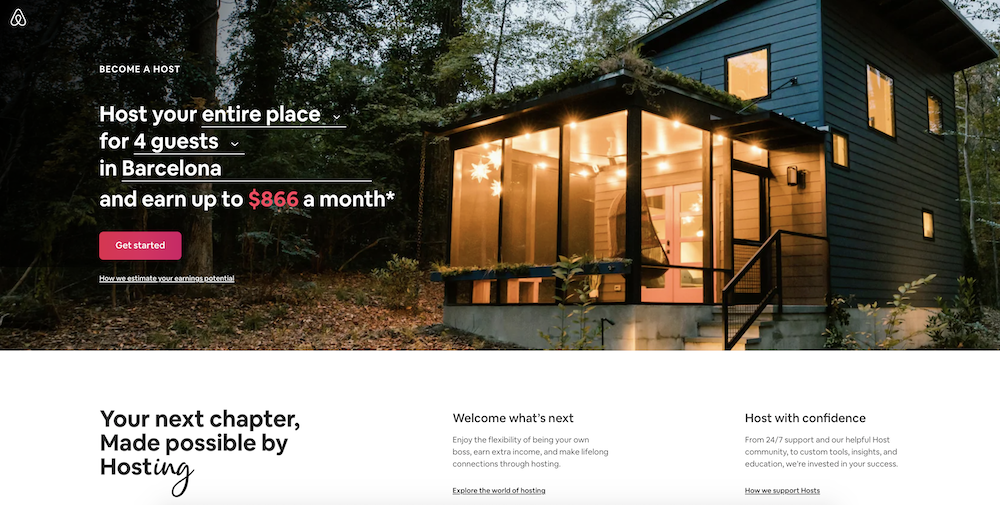
Step 2: Create your listing
Your listing is the first impression guests will have of your property, so take the time to showcase it effectively.
- Upload high-quality images:
- Include well-lit photos of all spaces, such as bedrooms, living areas, bathrooms, and outdoor features.
- Highlight unique details, like modern décor or scenic views.
- Write an honest description:
- Share what makes your property special and what guests can look forward to during their stay.
- Be clear about amenities, layout, and any house quirks that guests should know about.
Step 3: Set house rules and availability
- Define house rules to ensure guests understand expectations during their stay (i.e., no smoking, quiet hours, or pet policies).
- Use Airbnb’s calendar tools to manage availability and block dates when the property isn’t open for booking.
Additional features and protections for hosts:
- Reviews: Both hosts and guests can leave reviews, helping to build your reputation and attract more bookings over time.
- AirCover: Airbnb offers a program called AirCover, which provides financial protection in the event of property damage caused by guests. This additional coverage, in conjunction with your regular insurance, can bring you peace of mind. Note that certain terms and conditions apply.
- Cancellation policies: Familiarize yourself with host cancellation rules, which are straightforward and help maintain fairness for both parties.
How to become a co-host on Airbnb
Not everyone has the ability to list their own property on Airbnb, but that doesn’t mean they can’t get involved. Becoming an Airbnb co-host is a fantastic way to participate in the Airbnb community without owning a property. Co-hosts assist property owners with managing their vacation rentals in various ways. Here's how you can become a co-host:
Steps to become an Airbnb co-host
- Offer your services locally: Research vacation rentals in your area and reach out to property owners to offer co-hosting services. Highlight your skills in areas such as customer service, organization, or property management.
- Define your role: A co-host's responsibilities can vary. These can include tasks like:
- Screening potential guests
- Answering guest inquiries promptly
- Preparing the rental property for new guests
- Set payment terms: Payments for co-hosting services are agreed upon between the property owner and the co-host. Airbnb handles payments to ensure the co-host is compensated appropriately.
- Elevate the guest experience: Co-hosts contribute to improving the guest experience, which can help the host achieve coveted statuses like Superhost.
Want to become a co-host? Get started with our free Airbnb co-host agreement template.
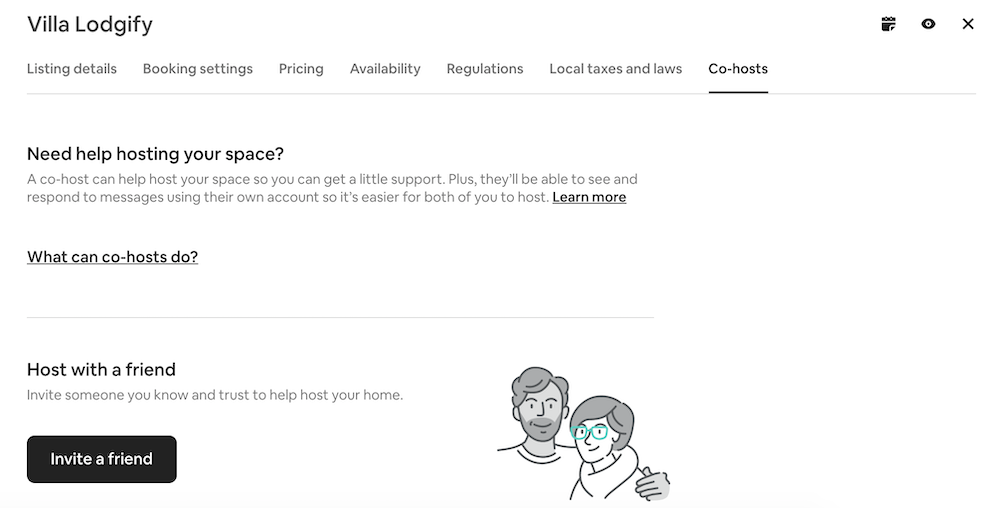
How to add an Airbnb co-host
If, as a vacation property owner, you don’t have this extra time to commit to your responsibilities as a host, a co-host would definitely be a big help. Here’s how to add up to 10 co-hosts to your Airbnb listing:
- Go to Listings.
- Select the listing you would like to add a co-host to.
- Under the Listing editor tab, select Your space.
- Click Invite someone you know.
- Follow the steps to add their information and you’re good to go!
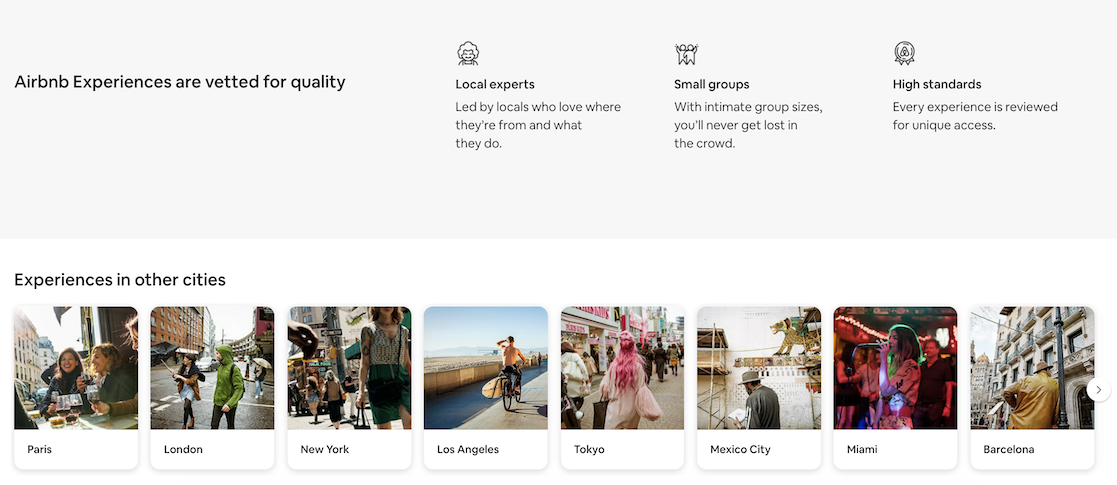
Hosting an Airbnb Experience
If you want to become more interactive as a host, you now have the opportunity to host an Airbnb Experience. This allows you to design and lead unique activities or events for guests visiting your area.
To get started, you'll need to plan and outline the experience you'd like to offer. This could be anything from a guided tour to a cooking class or an outdoor adventure. Once you've crafted your idea, submit it to Airbnb for approval by following their guidelines and requirements. Once approved, you can list your experience and start connecting with guests who are eager to book unique activities during their stay.
Airbnb host requirements
While almost anyone can become a host, there are still a series of Airbnb requirements and expectations that should be followed to maintain a high standard. According to Airbnb, the basic requirements to become a host are the following:
Respond to inquiries
Airbnb values hosts who are responsive, attentive, and considerate. Hosts should therefore maintain a high response rate and reply to reservation requests and booking inquiries in a timely fashion.
Accept requests
If your calendar is free, Airbnb expects you to accept most of the requests that you receive. That said, it’s crucial to keep your calendar updated if you know you won’t be able to host on specific dates. If you need to block time off during your holidays or simply need more time between bookings, make sure to do so to avoid aggravated guests.
Avoid cancellations
Airbnb penalizes hosts who cancel confirmed bookings. However, there are exceptions in which a host can cancel (like a pandemic!).
Maintain a high overall rating
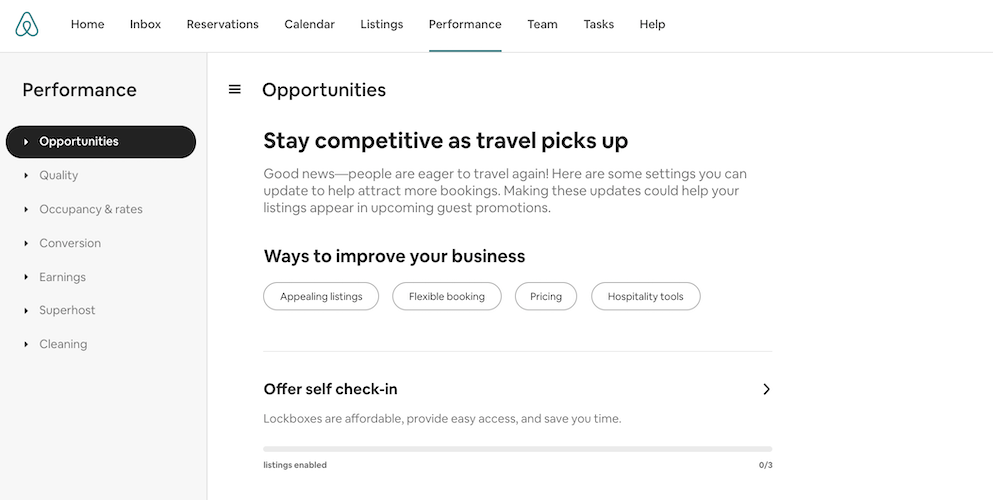
Airbnb also evaluates hosts by their overall rating, which is the average review score from all the guests that they have hosted. In order to keep track of how you’re doing and avoid penalties, you can always check your performance. Airbnb will tell you where you can improve by comparing your performance to the average of all hosts.
What is the minimum age requirement to host on Airbnb?
According to Airbnb registration requirements, you must be 18 years or older to create an account on the platform. This applies to anyone using Airbnb’s site and services, including hosts and guests alike.
To avoid house parties, guests under 25 can’t book entire listings in some locations. They can, however, book if you’re offering a private room or hotel room.
What to consider before joining Airbnb
Before adding anything to your Airbnb profile or listing, you need to think about your market and how you’re going to stand out from the crowd. Do you already own a property or room that can be rented out to guests? If so, ask yourself the following questions:
- Is the area around my property nice and safe for tourists?
- Is my property near any tourist attractions?
- Does my city attract a large number of tourists every year?
- Does my rental require renovations?
- Should I buy new furniture?
- Is the property welcoming and clean enough for guests?
- Am I comfortable with inviting strangers to my property?
- Is there something I could do to make my property even better for guests?
- How much time and money can I invest in this business?
There are three essential things you should always do before starting any kind of business with Airbnb:
- Create a successful Airbnb business plan.
- Do market research.
- Look at your competitors and learn from them.

Identify your competition
Understanding your competition is an important step in building a successful Airbnb business. Analyzing other hosts in your area can provide valuable insights into pricing, amenities, and marketing strategies that resonate with guests.
1. Spend time researching competitors' strengths:
- Search for properties with similar characteristics in your area directly on Airbnb.
- Use filters to narrow down properties by:
- Number of bedrooms and bathrooms
- Kitchen facilities
- Amenities such as pools, gardens, or other features
2. Analyze your competitors:
- Look at their photos and furniture to understand their style.
- Read reviews to see what guests love or dislike about these properties.
3. Find inspiration:
- Learn what other hosts do well and use it to inspire ideas for your own Airbnb listing.
4. Research pricing:
- Check the average price for similar properties in your area.
- Validate your rates by comparing them to both smaller and larger properties in the same region to ensure they are competitive and appropriate.

Understand your target audience
When you start anything related to your vacation rental business, always bear in mind your target audience. Identify your ideal guests and base all your property marketing strategies around them:
- If your property is more suitable for a young family, don’t show pictures of college students jumping in your pool on spring break.
- Likewise, if you’re aiming for retired travelers, don’t put them off with pictures of kids’ toys all over the house.
Research your location
If you’re not sure who your target market might be, the main factors that can help you identify it are your property’s location and your rental itself. Your vacation rental neighborhood will have a lot of say in the type of visitors it attracts.
Most of the time, travelers—whether business or leisure—have a reason for wanting to stay in a certain area. That might be because of a famous landmark, a tourist attraction, or even an event taking place nearby.
Think about the following for your vacation rental’s location:
- Who lives in the neighborhood? Is it a family area, a student area, or full of businesses?
- What draws visitors to the area? Is it the proximity to Disneyland, the buzzing nightlife, or the huge sports stadium that brings people here?
- Where is your home located? Is it in an up-and-coming hipster destination, the financial center of the city, or close to an internationally renowned event venue?
- How many hotels are nearby? If there aren’t many around, you could be onto something great. Your vacation rental may be one of the best options for any kind of traveler passing through your city! If there are plenty of hotels, however, it might be difficult to compete with their pricing. Always check and compare rates to other types of accommodations in your area.
Know your property
When you’ve defined the types of people that live in your area and the travelers that will be attracted to your neighborhood, you can deduce potential guests by thinking about your property specifically.
For example:
- What is your property type? To use Airbnb’s terminology, are you offering an entire home, a private room, a shared room, or a unique property?
- What are your property’s amenities? Do guests have access to laundry facilities? Kitchen? Swimming pool? Backyard?
- How does your place compare to others nearby? Is it the jewel of the neighborhood or somewhere you wouldn’t like to pass by in the dark?
Once you’ve answered these questions about your property and location, you’ll be able to start thinking more in detail about the target market you’ve identified. That’s not to say you’ll only attract these types of guests, but they’ll probably make up the larger part of your yearly bookings.
Don't see the form to download our Airbnb rental agreement? Click here.