

More reach. More reservations. Zero double bookings.








Canadian Vacation Rental Legislation
Canadian Airbnb Regulations: Short-Term Rental Regulations by Provinces
Review Canada's Airbnb regulations by province.
Last Updated
22/6/2026


Other Chapters
No items found.

Whether you're a seasoned Superhost or just getting started, navigating Airbnb regulations can sometimes feel like trying to decode a map with no compass.
Canada is a fantastic place to host, but each province has its own set of rules you need to know. It's important to stay on top of Airbnb regulations to ensure you can host confidently without running into any unexpected surprises. This post breaks down the rules province by province in the simplest way possible.
Don't see the form to download our short-term rental agreement? Click here.
What is considered a short-term rental?
In Canada, a short-term rental is typically defined as a property rented for less than 30 days. However, the specifics of these definitions are often defined by the specific province or municipality you're operating in. Generally, the properties themselves are either an entire residence that the owner rents out when they're not there, or a portion of the property, like a bedroom or a mother-in-law suite.
Type of structure
Again, the types of structures that can be used for short-term rentals in Canada can and will vary by province and local laws. That said, one can expect to see the following types of structures across Canada:
- Single-family homes
- Condos
- Townhouses
- Apartments
- Secondary suites
- Carriage houses
Length of stay
As mentioned earlier, the typical rules for what is considered a short-term rental in Canada are less than 30 consecutive days. However, some cities go a step further to impose limits on how often a home can be rented. For example, it's not uncommon for an area to restrict rental periods to no more than 180 days a year in certain jurisdictions. Taking it a step further, some areas required the rental to be the primary residence of the owner.

Airbnb regulations: What legal restrictions exist?
As with any business, certain rules exist. This section will dive deeper into Airbnb legislation in Canada.
Prohibition of short-term rentals
Several cities in Canada have implemented strict laws around short-term rentals. This is an attempt to address housing shortages. For example, cities like Vancouver and Toronto have banned short-term rentals in properties that are not the owner's principal residence. Currently, there are no complete bans on short-term rentals in Canada.
Primary residence requirements
Many cities throughout Canada require short-term rental hosts to only rent out their primary residence. This means that the property must be the host's main place of residence and can't only be used as a short-term rental. A few popular cities where this law is true are:
Licensing and permitting
Airbnb hosts in Canada are required to comply with licensing and permitting regulations that are specific to their city and province. These Airbnb rules and regulations are designed to ensure that short-term rental properties meet safety standards, follow any zoning laws, and contribute well to the local economy.
For instance, most cities require hosts to obtain a short-term rental license or permit. This typically involves registering the property and paying a fee. Additionally, many municipalities enforce rules limiting short-term rentals to primary residences and impose occupancy restrictions.
Multiple dwelling laws
Canada has specific regulations governing multiple dwelling units that vary by province and municipality. These laws are often designed to promote safety, maintain building standards, and ensure equitable housing access.
A great example of this is Toronto. In "The 6", you can only rent out your principal residence. As a result, you can only operate one short-term rental. However, Toronto allows hosts to rent out up to three bedrooms within their principal residence. When you do this, you must register your property either as an entire-unit short-term rental operator or a partial-unit short-term rental operator. You'll see this type of setup in other cities across the country.
Zoning regulations
Canada's short-term rental laws regarding zoning regulations again change depending on where you are. Montreal, for example, has restrictions on where specifically in the city you can operate a short-term rental. Additionally, Montreal only allows you to rent your home between June 10 and September 10.
Occupancy limits
There is not one overarching mandate on occupancy limits in Canada. Specific cities may have certain rules in place. That said, it's always best to practice responsible hosting and ensure that your guests are both safe and not disturbing the neighbors with too many guests in one unit.
Landlord-tenant laws
Technically, rental arbitrage is legal in Canada. However, it's best to read up on the landlord-tenant laws in your specific province and city to ensure that you are abiding by all regulations. Some cities may have restrictions on short-term rentals or require certain permits or licenses. If it is allowed in your area, you will absolutely need permission from your landlord to operate a short-term rental.
Taxes
Short-term rental hosts in Canada are required to report all their rental income to the Canada Revenue Agency (CRA), regardless of how frequently they rent out their property or the amount earned. There is no minimum threshold for reporting income. It must be included in your personal tax return if you are generating rental revenue. As of 2025, Airbnb will report the income earned by Canadian hosts to the CRA.Additionally, hosts are required to provide their Social Insurance Number (SIN) or Business Number (BN) to Airbnb. Failure to provide this information could result in Airbnb withholding payout amounts.
Insurance
While hosts are automatically enrolled in Airbnb's AirCover, it's still a good idea to have additional insurance coverage. This may include a homeowner and short-term rental insurance plan, as well as liability insurance. Some local governments may require a certain dollar amount of coverage.
Noise and nuisance
Together with Airbnb's Community Disturbance Policy, make sure to check with your municipality on any noise ordinances or other regulations in place. Consider providing guests with information on specific quiet hours.
Safety requirements
Airbnb hosts in Canada need to make sure that their properties meet safety requirements to provide both a safe and 5-star experience for guests. This includes having:
- Smoke detectors
- Carbon monoxide detectors
- Fire extinguishers
- Emergency contract info for guests
Additionally, hosts must follow the specific building codes and safety standards of where their home is located.
Registration and reporting
In Canada, short-term rental hosts are often required to register their property or obtain a license. These rules vary by province, city, or municipality, so it’s important for hosts to familiarize themselves with the specific regulations in their area. Typically, the registration process involves providing details about the property, paying a fee, and agreeing to local bylaws or ordinances.
For example, in British Columbia, hosts in Vancouver must secure a short-term rental business license. Similarly, in Ontario, Toronto requires hosts to register with the city and limits short-term rentals to the owner's primary residence. Meanwhile, in Quebec, hosts must obtain a classification certificate from the Corporation de l'industrie touristique du Québec (CITQ).
Point of contact
Depending on the specific area, you may be required to submit a point of contact for the property. This is typically who should be contacted in the event of an emergency or other legal issues. The point of contact generally is required to respond within a preset timeframe.
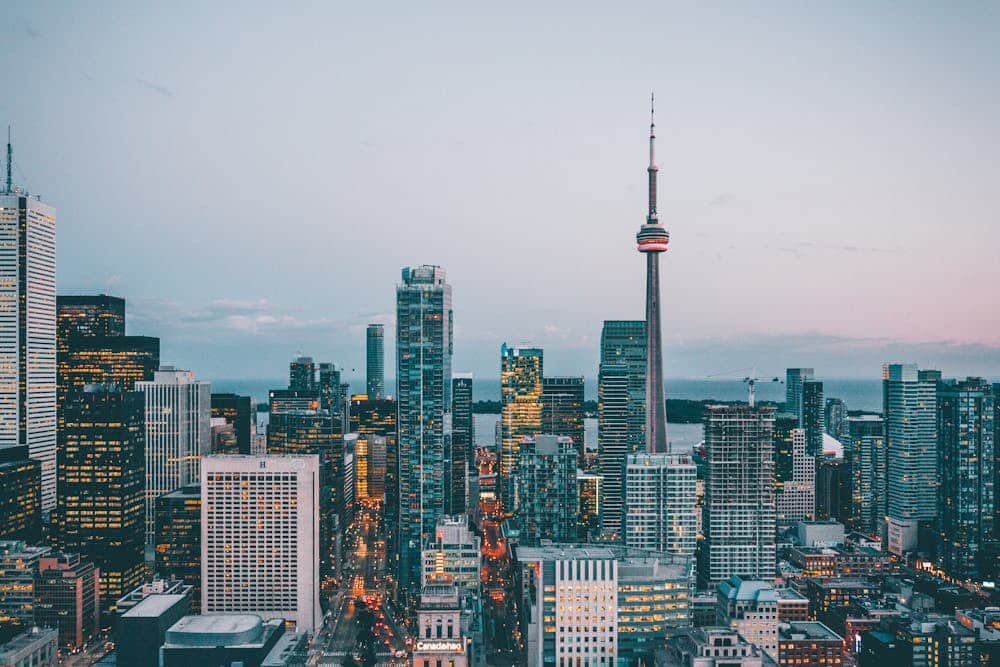
Airbnb regulations by province
As discussed, each province has its own set of Airbnb rules and regulations that hosts need to follow. This section will provide a brief overview of the short-term rental rules for each of the 10 provinces.
Alberta
In Alberta, short-term rental regulations vary by city. For example, in Calgary, hosts are required to show proof of ownership. Or in Edmonton, it mandates additional considerations, such as having working smoke and carbon monoxide detectors. Hosts should also be aware of local tax obligations, including the tourism levy, which applies to short-term rental earnings.
Learn more about Alberta Airbnb rules.
British Columbia
In British Columbia, short-term rental regulations are primarily city-specific and aim to address housing concerns. For instance, in Whistler, hosts must obtain a business license, and hosts must collect PST and MRDT taxes. Similarly, in Victoria, properties usually need a short-term rental business license and have a principal resident requirement.
Learn more about B.C. Airbnb rules.
Manitoba
Manitoba has varying short-term rental regulations depending on the city. For example, in Winnipeg, hosts are required to register their short-term rental properties with the city and adhere to zoning bylaws. Additionally, hosts may need to collect the 7% retail sales tax.
New Brunswick
Again, in New Brunswick, short-term rental regulations can vary by municipality. Some areas may require hosts to register their properties and comply with zoning and safety standards. Additionally, hosts are responsible for collecting and remitting applicable taxes, such as the 15% harmonized sales tax (HST).
Newfoundland and Labrador
In Newfoundland and Labrador, short-term rental regulations differ across municipalities. Like New Brunswick, hosts are also responsible for collecting and remitting the 15% harmonized sales tax.
Nova Scotia
Guests booking Airbnb listings in Halifax, Nova Scotia, are subject to a 3% Halifax Marketing Levy applied to the listing price and cleaning fees for stays of 30 nights or less. Hosts in the area are responsible for collecting this levy and remitting it appropriately. However, one perk is that as of 2024, it is free to register your listing with the government of Nova Scotia. Additionally, Nova Scotia is unique in the fact that there is an opportunity to rent out your secondary residence as a short-term rental.
Learn more about Nova Scotia short-term rental regulations.
Ontario
In Ontario, certain cities like Toronto and Ottawa have specific rules for Airbnb listings. Hosts in Toronto are required to register with the city and can only list their principal residence to comply with short-term rental regulations. Similarly, Ottawa mandates registration and limits short-term rentals to principal residences. Additional taxes, such as the Municipal Accommodation Tax (MAT), may apply depending on the city and typically range between 4% and 8.5%.
Learn more about short-term rental laws in Ontario.
Prince Edward Island
Hosts in Prince Edward Island are required to register with Tourism PEI and obtain a license. Hosts must also display their license number in all listings. Additionally, restrictions may vary for properties located in designated tourism zones or residential areas.
Quebec
Hosts in Quebec must comply with local zoning and short-term rental laws, which may vary between cities such as Montreal and Quebec City. Guests booking accommodations in the province are required to pay a lodging tax of 3.5% of the listing price.
Learn more about Quebec Airbnb rules.
Saskatchewan
Saskatchewan has specific short-term rental regulations that vary by municipality. Hosts in cities such as Saskatoon and Regina are required to obtain business licenses or permits to operate legally. Additionally, hosts must ensure compliance with zoning bylaws and safety standards, which may include fire and building inspections for their properties.
FAQ
What is the new law for Airbnb in Canada?
A few new laws for Airbnb have been passed in Canada that impact hosts. For example, many areas require a short-term rental to be the host's principal residence. Additionally, rules regarding licenses and permits have come about across provinces.
What are the rules on Airbnb for Canada?
The rules for Airbnb in Canada vary depending on the location. Some common regulations include obtaining permits or licenses, complying with zoning bylaws and safety standards, and ensuring that the property being rented out is the host's principal residence.
Do I need a license to have an Airbnb in Canada?
Yes, many cities and provinces in Canada require hosts to obtain a license or permit before listing their property on Airbnb.
In summary
By understanding and adhering to the short-term rental regulations in your province, you will set up your business for success. Staying informed about permits, taxes, and zoning requirements is essential for making sure that your property meets all applicable rules and standards.
With impressive automation tools and a reliable booking system meant to make your life easier, you want to get started today. Start a free seven-day trial today to explore everything Lodgify has to offer you. Make managing your short-term rental seamless and stress-free!
Don't see the form to download our short-term rental agreement? Click here.
more resources you might enjoy
Discover additional resources designed to make hosting easier, boost your bookings and give guests a great stay.


