


More reach. More reservations. Zero double bookings.








Canadian Vacation Rental Legislation
Alberta Airbnb Rules: Your Guide to Short-Term Rental Regulations
Learn everything you need to know about Alberta's Airbnb rules.
Last Updated
22/6/2026



Alberta Airbnb Rules: Your Guide to Short-Term Rental Regulations
Learn everything you need to know about Alberta's Airbnb rules.
Alberta's stunning landscapes, from the Rocky Mountains to the Badlands, make it a destination for travelers worldwide. For property owners and managers, this translates to a golden opportunity in the short-term rental market. But with great opportunity comes great responsibility, especially when it comes to navigating the evolving landscape of Alberta Airbnb rules.
Whether you’re an aspiring host looking to start an Airbnb in Alberta or an existing host wanting to stay compliant, understanding the regulations is the key to success. The rules can feel complex, shifting from the provincial level down to specific municipal by-laws.
This guide will demystify the short-term rental regulations in Alberta. We’ll break down everything you need to know, from provincial levies to city-specific licensing in Calgary and Edmonton, giving you the confidence to build and grow your vacation rental business.
Don’t see the form to download our Short-Term Rental Agreement? Click here.
Is Airbnb allowed in Alberta?
Yes, Airbnb is legal in Alberta. The province allows short-term rentals, but each municipality sets its own rules. This means what’s permitted in Calgary might differ from Edmonton's or Banff’s regulations.
Most Alberta cities welcome short-term rentals with proper licensing and compliance. The key is understanding your specific municipality’s requirements before listing your property.
General Alberta Airbnb regulations
While cities and towns have their own set of rules, a few regulations apply province-wide. As a host, you need to be aware of these overarching requirements before diving into your local by-laws.
Licensing
Across Alberta, operating a short-term rental is considered a business activity. Therefore, most municipalities will require you to obtain a business license. The process, fees, and requirements for this license are determined by the city or town where your property is located.
Tourism levy
The Government of Alberta mandates a 4% tourism levy on most accommodation sales in the province. According to the Tourism Levy Act, this applies to short-term rentals offering accommodation for less than 30 consecutive days.
The good news for hosts on major platforms like Airbnb and Vrbo is that they have agreements with the province to collect and remit the tourism levy on your behalf. However, if you accept direct bookings, you are responsible for collecting this levy from your guests and remitting it to the Alberta Tax and Revenue Administration.
Municipal by-laws
The most critical step for any host is to check with their local municipality. The Government of Alberta grants municipalities the authority to regulate land use and business activities, which includes short-term rentals. Each city council determines:
- Zoning restrictions: Where short-term rentals can operate
- Primary residence requirements: Whether you must live in the property
- Rental limits: Maximum days you can rent annually
- Parking requirements: On-site parking availability
- Noise and conduct rules: Quiet hours and behavioural expectations
Always consult your local municipal website or planning department for the most accurate and current information.
Alberta Airbnb rules by major city
Navigating short-term rental regulations in Alberta often comes down to knowing the rules in your specific city. Here’s a breakdown of the requirements for Alberta’s two largest urban centers.
Edmonton Airbnb rules
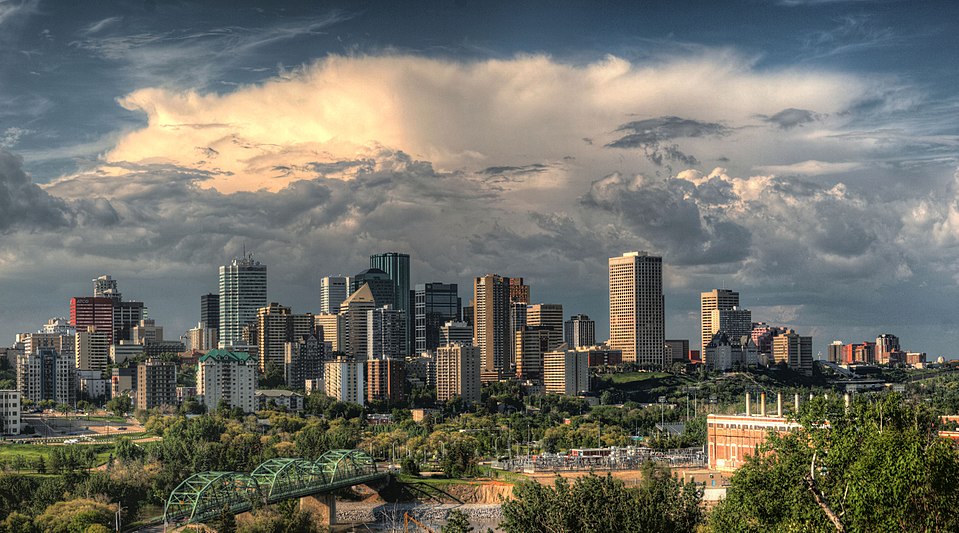
The city of Edmonton has established clear guidelines to balance neighborhood integrity with the benefits of tourism. If you’re operating in Alberta’s capital, you’ll need to follow these rules.
- Business license: All short-term rental hosts in Edmonton must have a business license. The city offers two categories depending on the scale of your operation. According to the city of Edmonton’s short-term rental page, hosts with 1-3 properties pay a different fee than those with 4 or more.
- Primary vs. secondary residence: Edmonton’s rules differentiate between renting out your primary residence (where you live) and a secondary property (one you own but don’t live in). Both require a license, but regulations may vary.
- Licensing display: Your valid business license number must be included in all online listings and advertisements for your property. Failure to do so can result in fines.
- Safety requirements: Hosts are responsible for ensuring their property meets all safety codes, including having working smoke and carbon monoxide detectors.
Calgary Airbnb rules

Calgary has implemented a tiered licensing system to its active short-term rental market. The city aims to ensure rentals are safe and that hosts are accountable.
- Business license: Similar to Edmonton, all Calgary hosts must obtain a business license. The city of Calgary’s short-term rental page outlines two tiers of licenses:
- Tier 1: For hosts renting out 1-4 rooms in their primary residence
- Tier 2: For hosts renting out an entire secondary property or a portfolio of properties
- Proof of ownership or consent: To get a license, you must provide proof that you either own the property or have the owner’s consent to operate it as a short-term rental.
- Emergency contact information: Hosts must provide guests with contact information for someone who can respond to issues at the property within 20 minutes.
- Licensing display: Your Calgary business licence number must be displayed on all advertisements, including your Airbnb or Vrbo listing.
Airbnb taxes in Alberta
Understanding your tax obligations is a non-negotiable part of the Alberta Airbnb rules and an important part of running a professional and legal short-term rental. Here are all the Airbnb taxes in Alberta to be aware of:
- Provincial tourism levy: A 4% levy applies to your rental income for stays of under 30 days.
- Goods and services tax (GST): If your short-term rental business earns more than $30,000 in revenue over four consecutive calendar quarters, you are required by the Canada Revenue Agency to register for, collect, and remit GST. The current rate is 5%.
- Income tax: According to Alberta short-term rental regulations, the money you earn from your short-term rental is considered business income and must be reported on your annual income tax return. You can also deduct eligible expenses (like mortgage interest, property taxes, maintenance, and insurance) to reduce your taxable income.
Navigating the financial side of hosting can be tricky. For a deeper dive, check out our comprehensive guide to Airbnb taxes in Canada.
Tips for hosts starting an Airbnb in Alberta
Feeling empowered to start your journey as a host? Here are some practical tips to get your Alberta Airbnb off the ground:
- Do your homework: Research the specific Airbnb rules in Alberta and, more importantly, in your target municipality. Some quick research on your city’s website is the best way to start.
- Create a rock-solid Airbnb business plan: Treat your Airbnb like a real business. Calculate your potential startup costs, ongoing expenses (like cleaning, insurance, and utilities), and set a competitive nightly rate by researching comparable properties in your area. This will help you understand your path to profitability.
- Understand the 80/20 rule for Airbnb: The 80/20 rule for Airbnb, also known as the Pareto Principle, suggests that 80% of your results will come from 20% of your effort. For an Airbnb host, this means focusing on the things that matter most: creating an exceptional guest experience, taking high-quality photos for your listing, writing a compelling description, and using a dynamic pricing strategy.
- Make sure you have all the necessary paperwork: Apply for your municipal business license early. The process can take time, and you cannot legally operate without it. Ensure you have all the necessary documents, like proof of ownership and insurance, ready to go.
- Create systems for success: Develop standard operating procedures and build relationships with reliable cleaners and handypeople. Utilizing dynamic pricing tools is another effective way to maximize revenue.
- Focus on the guest experience: Provide clear check-in instructions, create local guidebooks highlighting Alberta attractions, and try to respond to inquiries within 1 hour.
FAQs about Airbnb rules in Alberta
Here are quick answers to some of the most common questions about hosting in Alberta.
How profitable is an Airbnb property in Alberta?
The profitability of an Airbnb in Alberta varies greatly depending on location, property size, seasonality, and management. Properties in high-demand tourist areas like Canmore, Banff, or Jasper, or in prime locations in Calgary and Edmonton, have the potential for significant returns. Success hinges on high occupancy rates, competitive pricing, and excellent reviews.
What are the rules for Airbnb in Alberta?
The primary Airbnb rules in Alberta for operating are:
- Comply with your local municipality’s by-laws regarding short-term rentals.
- Obtain a business license from your city or town.
- Collect and remit the 4% provincial Tourism Levy (or have your booking platform do it).
- Report your rental income for tax purposes and collect GST if you exceeded the $30,000 revenue threshold.
- Ensure your property meets all safety and building codes.
Do you need a business license for Airbnb in Alberta?
Yes, in almost all cases, you will need a business license from your local municipality to operate a short-term rental in Alberta. Both Calgary and Edmonton, the province’s largest markets, have mandatory licensing requirements with posted fees and specific rules.
What is the Airbnb levy in Alberta?
The Airbnb levy in Alberta is the 4% provincial Tourism Levy. This tax applies to the purchase price of most forms of temporary accommodations in the province, including short-term rentals, for any stay that is less than 30 consecutive days.

Set yourself up for success with your Alberta Airbnb
Navigating Alberta’s Airbnb rules is the first step toward building a thriving short-term rental business. By staying informed and compliant, you create a foundation of trust with both your guests and your community. This allows you to focus on what you do best: providing unforgettable stays for travelers.
While understanding laws, licenses and taxes is crucial, managing your business efficiently is what will truly set you apart. With powerful short-term rental software like Lodgify, you can automate your bookings, sync your calendar across booking platforms, and communicate seamlessly with guests—all in one place.Take control of your short-term rental business and empower yourself with the tools you need to succeed! Sign up for your free 7-day trial of Lodgify today.
Don’t see the form to download our Short-Term Rental Agreement? Click here.
more resources you might enjoy
Discover additional resources designed to make hosting easier, boost your bookings and give guests a great stay.


